Why Your SEO Agency Won’t Show You What They’re Doing (And Why That’s a Red Flag)
Published Apr 19, 2026 · 10 min read
Email your SEO agency right now. Ask for a complete list of every change they’ve made to your site in the last 90 days. If you get a vague response, a delayed response, or a report filled with metrics that don’t answer the question. That’s not an oversight. That’s a business model.
Why opacity is the default in SEO
Most SEO agencies resist transparency for one or more of these reasons:
Reason 1: The work is less than you think
If you’re paying $2,000/month and the agency sends a detailed log showing 3 hours of work, the math gets uncomfortable fast. Many agencies operate on a volume model. Signing as many clients as possible and spreading actual work thin. Transparency would expose the gap.
Reason 2: The work is low quality
Link building is a great example. A transparent agency shows you exactly which sites are linking to you, how those links were acquired, and why those specific sites matter. An opaque agency says “we built 15 links this month” and hopes you don’t ask where they came from, because the answer might be a private blog network, a link farm, or a batch of directory submissions that haven’t mattered since 2015.
Reason 3: The work is risky
Some SEO tactics work in the short term but carry risk of Google penalties. Agencies using aggressive techniques prefer that you don’t scrutinize the specifics because an informed client might recognize the risk and object.
Reason 4: They don’t want you to leave
If you understand exactly what your agency does every month, you might realize you could hire someone internally to do it. Knowledge is power, and some agencies prefer their clients powerless.
What good reporting actually looks like
Transparent SEO reporting includes, at minimum:
- Work log: Specific tasks completed, not categories, not hours, but actual deliverables. “Rewrote and optimized the [Service] page targeting [keyword], updated title tag to [new title], added FAQ schema markup.”
- Performance data: Organic traffic, keyword ranking movements, conversion data. Month-over-month and year-over-year comparisons.
- Attribution clarity: “Organic leads increased 15% this month” should include which pages drove those leads, which keywords improved, what work contributed.
- What didn’t work: This is the one most agencies skip entirely. Good reporting includes things that were tried and didn’t produce expected results.
- Next month’s plan: What will be done, why, and what impact is expected.
The case for approval workflows
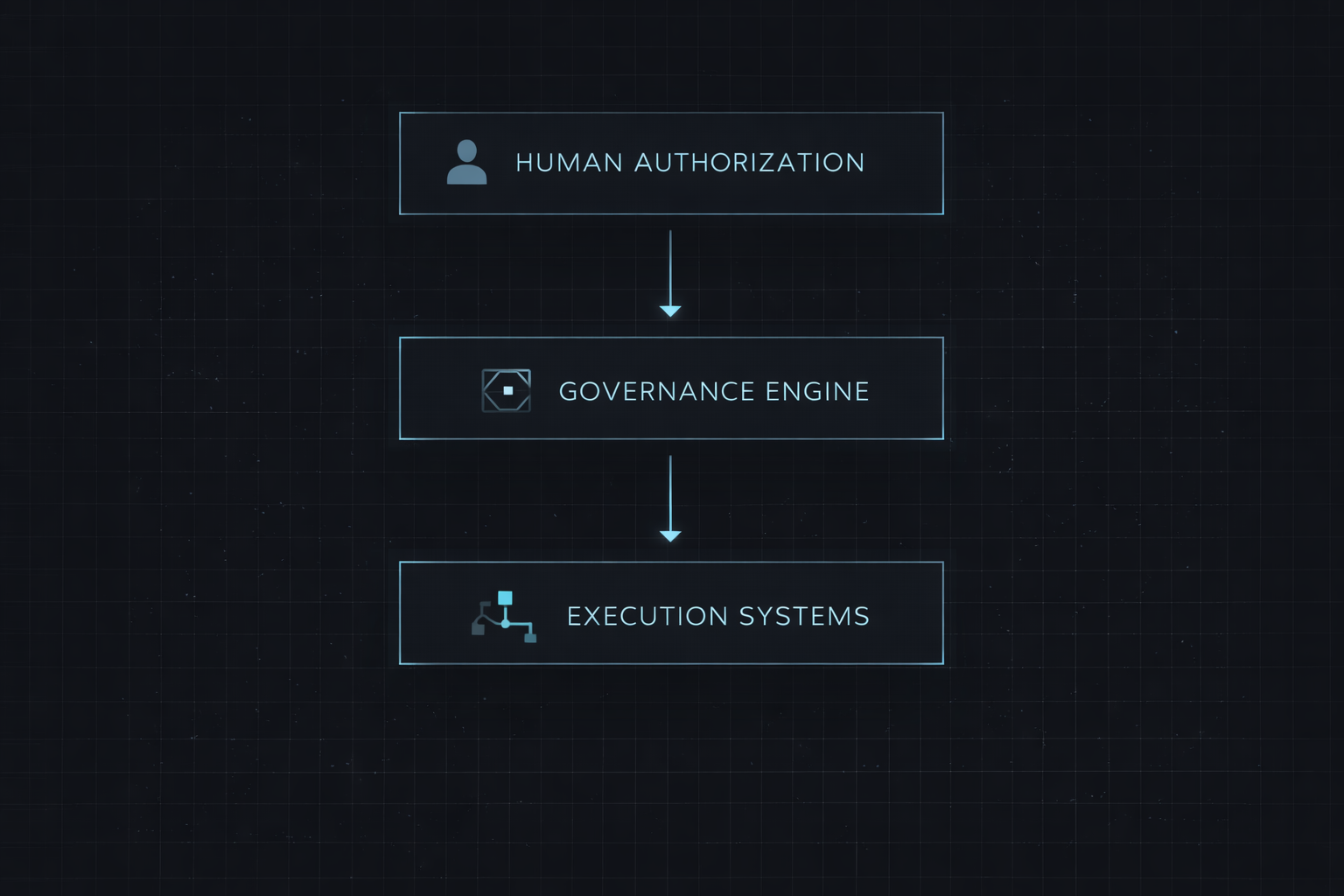
Here’s a question that changes the entire dynamic: what if you had to approve every change before it went live on your site?
Most business owners are surprised to learn this isn’t standard practice. Your SEO agency is making changes to your website, your most important digital asset, and in most cases, you never see those changes until (or unless) something goes wrong.
An approval workflow means:
- Every proposed change is documented and explained in plain language
- You review and approve (or reject) before anything touches your live site
- There’s a record of every modification: when it was made, why, and who approved it
- If something goes wrong, you can trace back to the specific change that caused it
This is governance. It’s standard in every other professional service: accounting firms don’t file your taxes without your review, architects don’t start construction without your approval, financial advisors don’t make trades without your consent. SEO should work the same way.
The red flags, ranked
From “concerning” to “run away”:
- Reports focus on metrics but never mention specific work performed. Traffic went up! Great. What did you DO?
- You can’t access your own Google Analytics or Search Console. If your agency set these up under their accounts, you’re in a hostage situation.
- Monthly reports come from an automated tool. If the report looks like a Semrush or Ahrefs export with a logo on it, no human analysis was involved.
- They can’t explain their work in non-technical language. Good SEO practitioners can explain what they’re doing to anyone.
- They resist or refuse an approval workflow. This is the biggest red flag. A provider who doesn’t want you to see or approve changes before they happen has something to hide. Full stop. For more, see our complete red flags guide.
How to start demanding transparency
If you’re currently with an agency and want more visibility, here’s the conversation:
“I’d like to start seeing a monthly work log, not just metrics reports, but a list of specific changes made to my site and accounts. I’d also like to set up an approval process for any changes going forward. Can we discuss how to implement that?”
A good agency will welcome this. They’ll appreciate a client who’s engaged and wants to understand the process. A bad agency will push back, get defensive, or suddenly become hard to reach. Their reaction tells you everything you need to know.
Frequently asked questions
Keep going
Looking for an SEO approach with governance built in from day one?
The $500 Digital Presence Audit ships with an approval portal. Every recommendation is documented and approved before implementation.